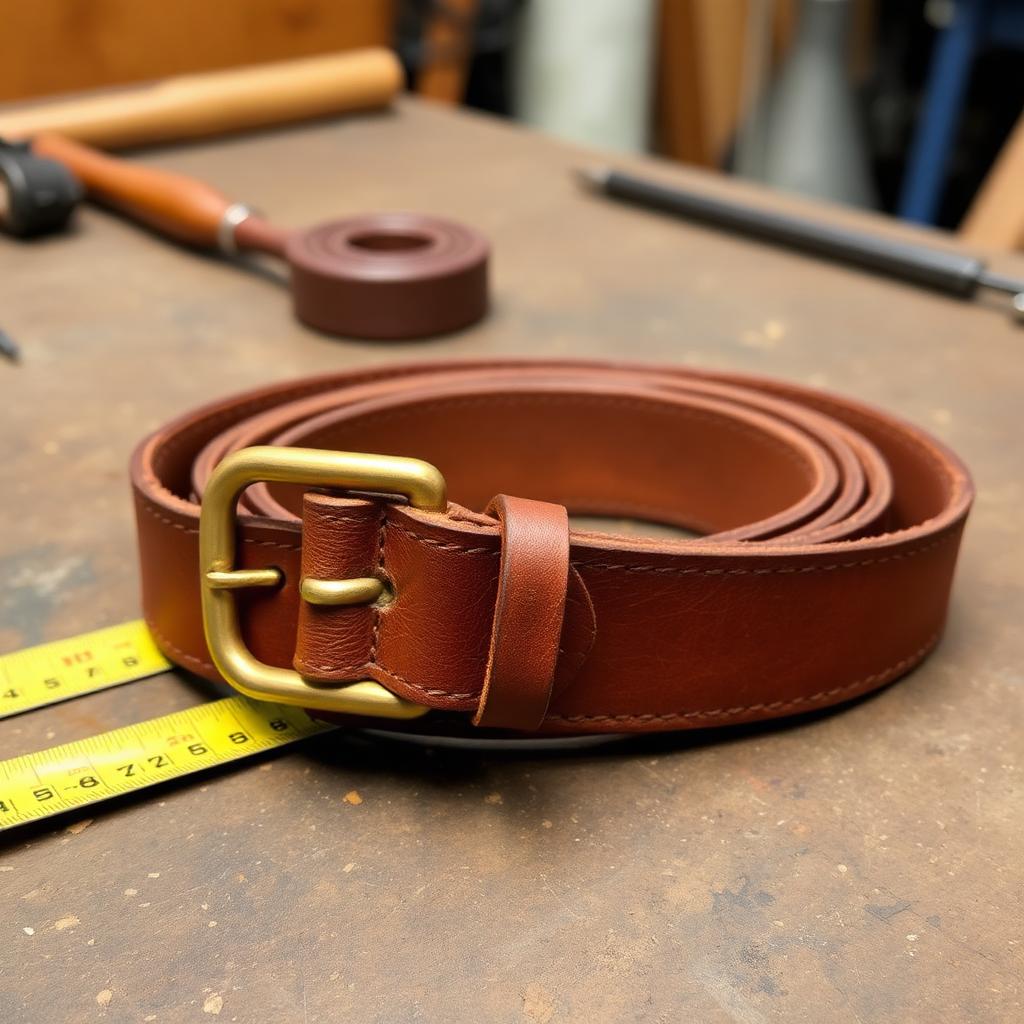
Cutting Straps That Stay Straight
13 July 2026 · 8 min read · Cutting & Pattern
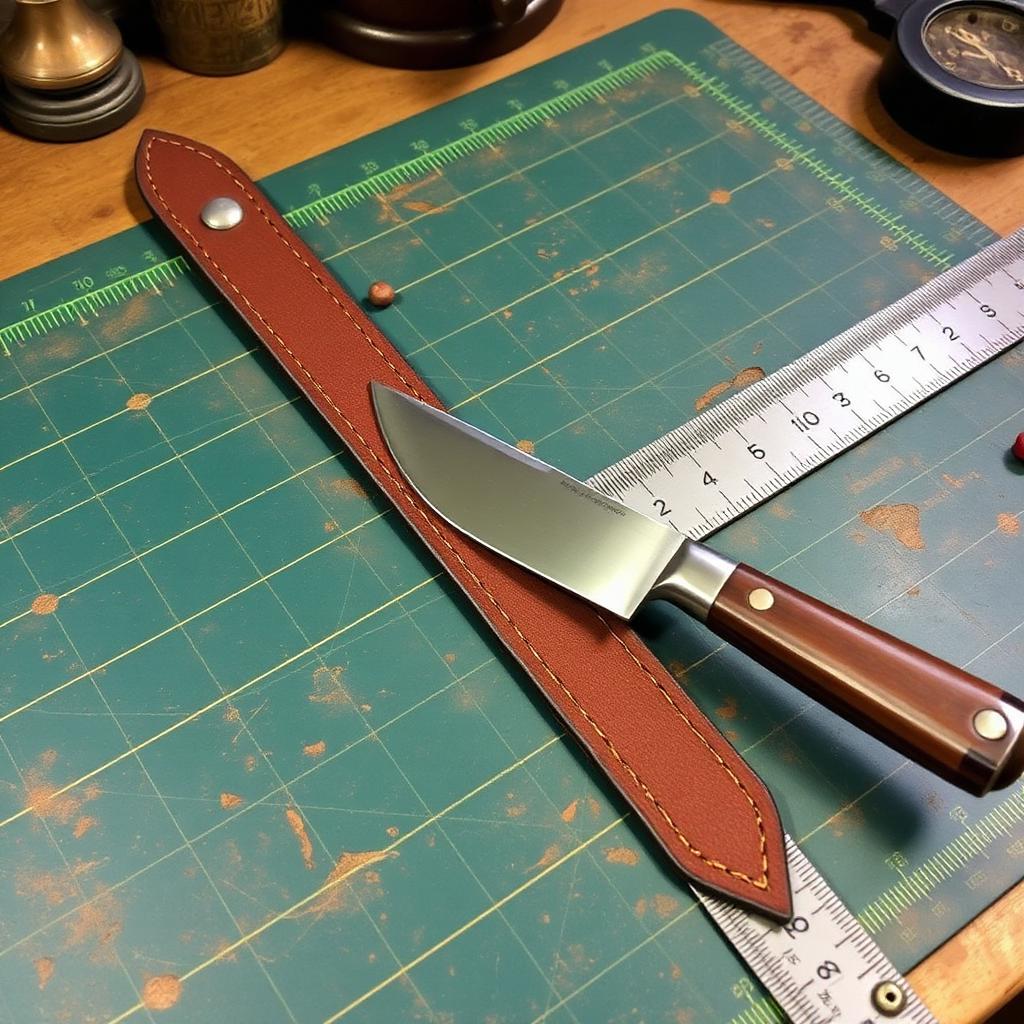
Long straight cuts are harder than they look. Blade choice, hide direction, and a strap cutter used properly are what separate a straight belt from a banana.
Why straps drift
A strap that curves was almost always cut straight and then moved. Leather has directional stretch: fibres run predominantly along the backbone, so a strap cut parallel to the spine is stable, while one cut across it will stretch under load and one cut diagonally will curve as it stretches unevenly. A belt cut from the belly can lengthen several centimetres in its first year.
The second cause is blade wander. A knife pulled through 120 cm of 4 mm leather does not stay perpendicular unless you make it, and a blade tilted two degrees produces an undercut edge that reads as a curve even when the top line is dead straight.
Both problems are prevented at the layout stage and during the cut. Neither can be fixed afterwards.
Read the hide before you mark
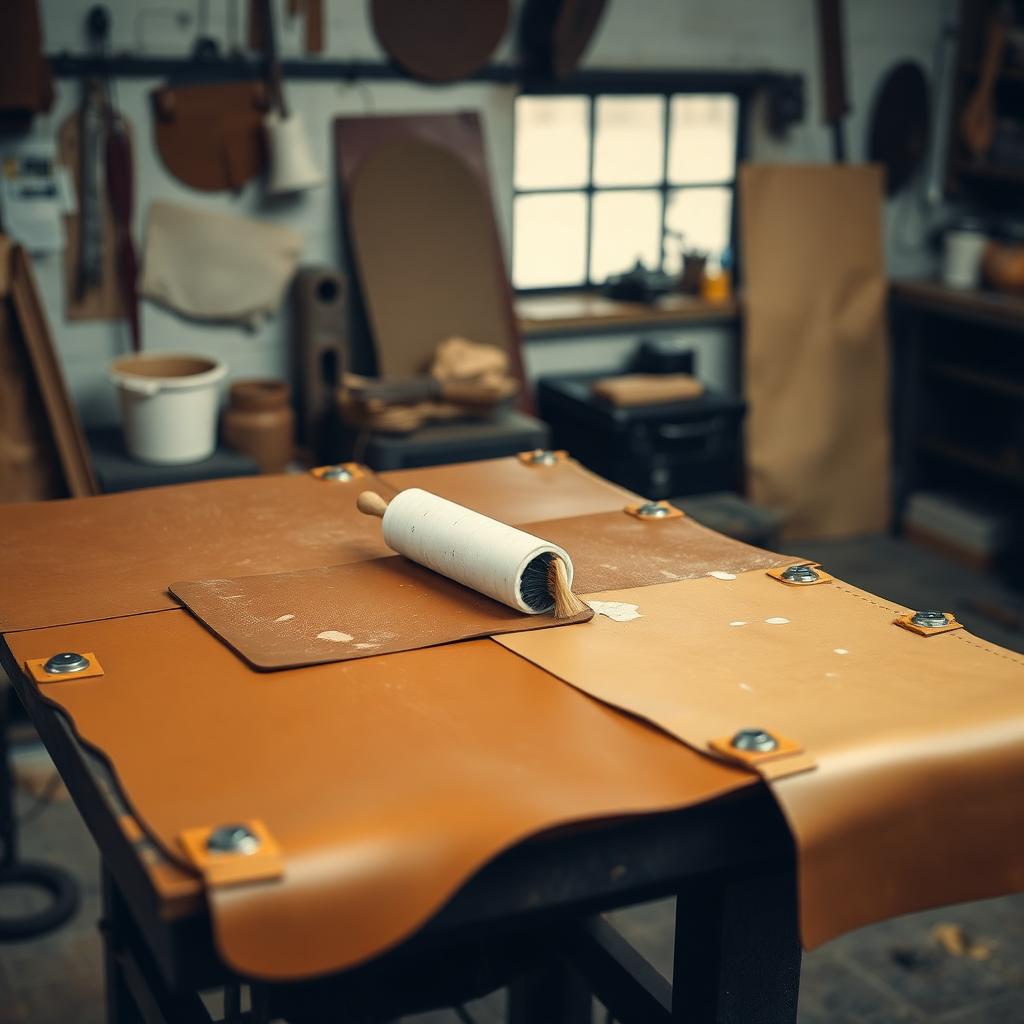
Lay the side out and find the backbone. The firmest, densest, most stable leather sits in the butt, along and either side of the spine — this is where belts and load-bearing straps come from, and you should be prepared to accept low yield to get them from there.
Test stretch by hand. Grip a section between both hands and pull firmly in one direction and then at ninety degrees. The difference is usually obvious. Mark an arrow on the flesh side showing the stable direction and orient every strap along it.
The belly and the neck are not waste, but they are not straps. Use them for linings, keepers, test pieces, tooling practice and small panels where a millimetre of stretch is irrelevant.
Tools for the long cut
A strap cutter — the adjustable wooden or brass tool with a captive blade — is the correct tool for repeated parallel straps. It references off an already straight edge, so the first job is always to establish that straight edge with a steel rule and a knife. Set the width, keep the tool flat and pressed against the reference edge, and pull in one continuous motion.
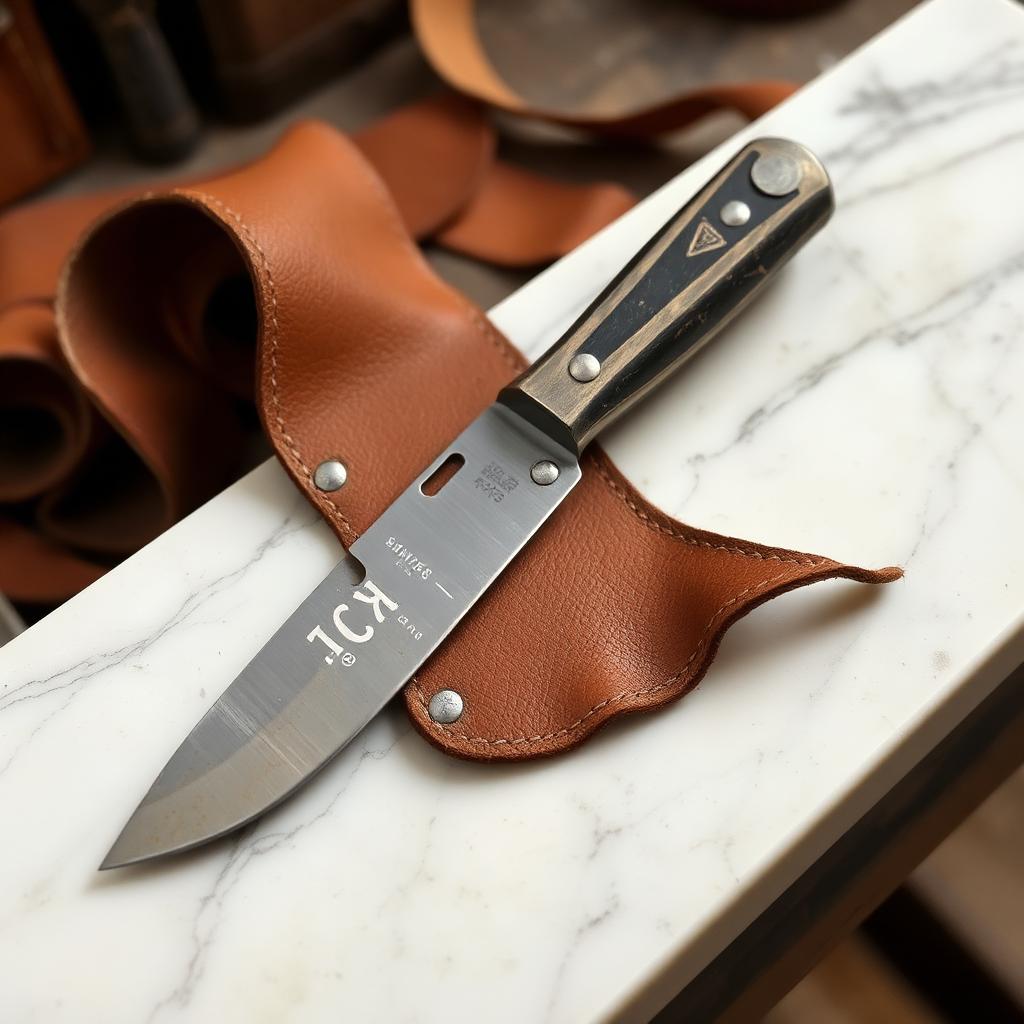
A round or head knife cuts long lines beautifully once you can drive it, because the curved blade slices rather than drags and the wide body resists twisting. It also has the most intimidating learning curve of any leather tool.
A utility knife with a fresh snap-off blade against a heavy steel rule is entirely respectable and is what many professionals use for panel work. Weight the rule down or clamp it; a rule that shifts one millimetre halfway along is worse than a freehand cut.
Making the cut
Cut in multiple passes on anything over about 2.5 mm. The first pass scores a track; subsequent passes deepen it with the blade following the existing groove. Trying to go through 4 mm in one pass requires so much force that the blade will deflect around any density variation in the hide.
Keep the blade vertical and your body behind it. Cut towards yourself with a round knife or away with a utility knife, but in either case move your whole arm from the shoulder rather than pivoting from the wrist, because a wrist pivot describes an arc.
Change blades far sooner than you think necessary. A blade that has cut two metres of veg-tan is already dragging, and drag is what makes an edge fuzzy and a line wander.
Layout and waste
Straps are the easiest components to nest efficiently because they are long rectangles, but only if you commit to a direction. Plan the whole side on paper before cutting: mark the belts along the spine, the keepers and shorter straps outboard of them, and the panels in what remains.
Cut the largest and most demanding pieces first, always. Once you have cut small pieces from the middle of a good area you have destroyed your ability to get a belt out of it, and no amount of cleverness recovers that.
Expect and budget for waste. On strap work from a full side, 25 to 35 per cent waste is normal and not a sign of incompetence — it is the price of only using leather that will not stretch. Cost it into the price of the finished piece instead of pretending it does not exist.
Once cut, straps should be checked before any further work. Lay the strap flat on the bench and sight down its length from one end; a curve that is invisible when the strap is loose becomes obvious in a sight line. Small deviations can be trimmed straight with a rule; large ones mean the strap should be cut down into keepers and short pieces rather than fought with.
It is also worth stretching load-bearing straps before you punch them. Clamp one end, hang a weight roughly equal to the expected working load for a day, then measure again. Any stretch that was going to happen mostly happens now, which means your buckle holes will still be in the right place in six months.
Tools mentioned in this article
- Belt Length Calculator — Cut a belt to the right blank length with correctly spaced holes.
- Cutting Waste Calculator — Measure how efficiently your layout uses a hide.