Cutting
Cut with a single confident pass of a sharp round knife held vertically. Repeated shallow passes wander and leave a stepped edge that no amount of sanding fully hides.
12
Free calculators
26
Journal articles
4
Bench categories
0
Accounts required
Three stages, each with the numbers worked out before anything irreversible happens.
Estimate hide consumption, nesting waste and total area before you buy, so a project never stalls one panel short.
Consumption estimator →Scale patterns, size belts and convert thickness between ounces and millimetres so every panel is right the first time.
Pattern scaling →Work out hole spacing, thread length, dye volume and drying windows before the needle or the brush comes out.
Thread calculator →Straight entry points grouped the way work actually happens at the bench — cutting, stitching, then estimating and finishing.
Work out how much leather a job eats before you open the roll.
Lay out holes and cut thread once, at the right length.
Dye volume, drying windows, thickness and maintenance intervals.
Leather of the Day
A new classic leather every day, with the numbers that matter at the cutting mat.
The six calculators makers reach for most often.
Work out how much waxed thread a saddle-stitched seam really needs.
Open tool →Material CalculationEstimate the hide area a project needs before you buy leather.
Open tool →Stitching & HardwareCut a belt to the right blank length with correctly spaced holes.
Open tool →Stitching & HardwareBalance stitch holes across an edge with even end margins.
Open tool →Material CalculationConvert between ounces, millimetres and inches instantly.
Open tool →Dyeing & FinishingMix the right amount of dye for the area and number of coats.
Open tool →Every tool on the site, grouped by bench task.
Plan patterns, scale templates and keep your cutting layout tight.
Thread length, hole spacing, belt holes and hardware counts.
Dye volume, burnishing time and long-term leather care planning.
Hide consumption, waste rate and international unit conversion.
Cut with a single confident pass of a sharp round knife held vertically. Repeated shallow passes wander and leave a stepped edge that no amount of sanding fully hides.
Bevel, sand to 800 grit, damp the edge, burnish, then repeat once more. The second cycle compacts fibres that the first one only raised.
Condition sparingly and let each application absorb for a full day. Two light coats beat one heavy coat, which leaves leather greasy and attracts dust.
The two tables makers look up most often, without opening a calculator.
| Weight | Thickness | Typical use |
|---|---|---|
| 1–2 oz | 0.4–0.8 mm | Linings, card slot panels, appliqué |
| 3–4 oz | 1.2–1.6 mm | Wallets, pouches, light bag panels |
| 5–6 oz | 2.0–2.4 mm | Bag bodies, watch straps, knife sheaths |
| 7–8 oz | 2.8–3.2 mm | Belts, dog collars, tool rolls |
| 9–10 oz | 3.6–4.0 mm | Heavy belts, holsters, saddlery |
| Spacing | SPI | Thread | Use |
|---|---|---|---|
| 2.0 mm | ≈ 12 SPI | 0.45 mm | Fine wallets, card holders |
| 2.7 mm | ≈ 9 SPI | 0.55 mm | Small goods, bag panels |
| 3.0 mm | ≈ 8 SPI | 0.6 mm | General purpose |
| 3.85 mm | ≈ 6.5 SPI | 0.8 mm | Belts, straps, sheaths |
| 5.0 mm | ≈ 5 SPI | 1.0 mm | Harness and saddlery |
26 long-form workshop guides, free to read.
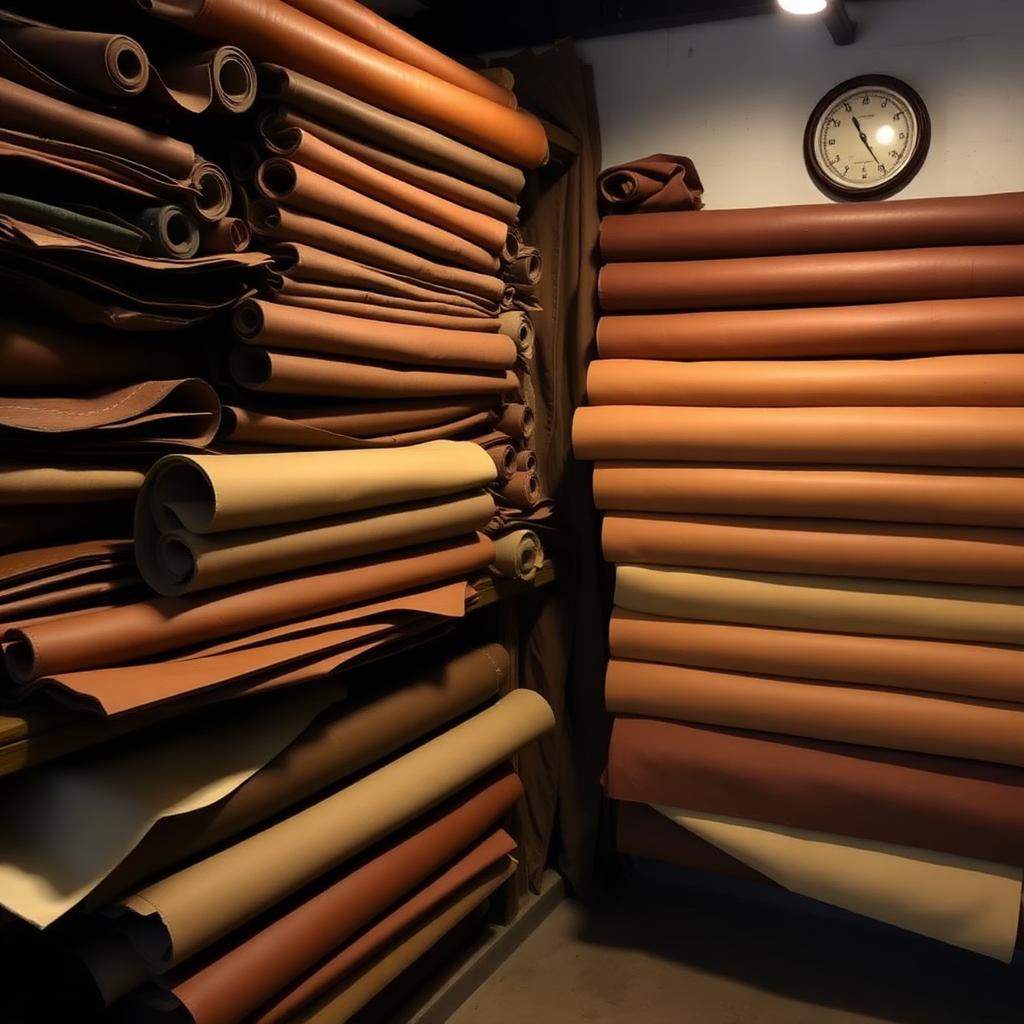
Leather that has been stored badly is expensive material turned into scrap. Simple storage discipline protects both the hide and your ability to find the right piece when you need it.
6 August 2026 · 10 min read
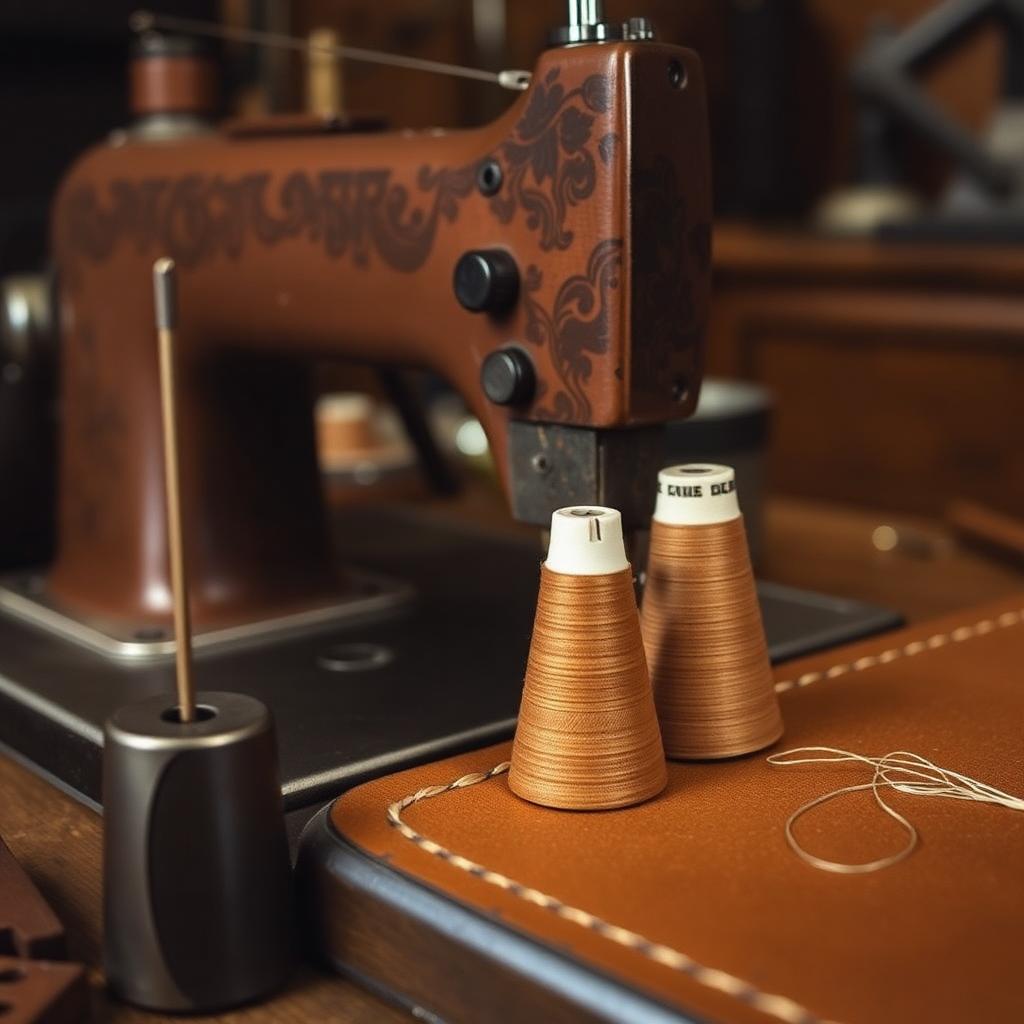
The saddle stitch is genuinely stronger than a lockstitch, and that fact is genuinely irrelevant to many products. Here is how to decide which seam belongs on which item.
5 August 2026 · 10 min read
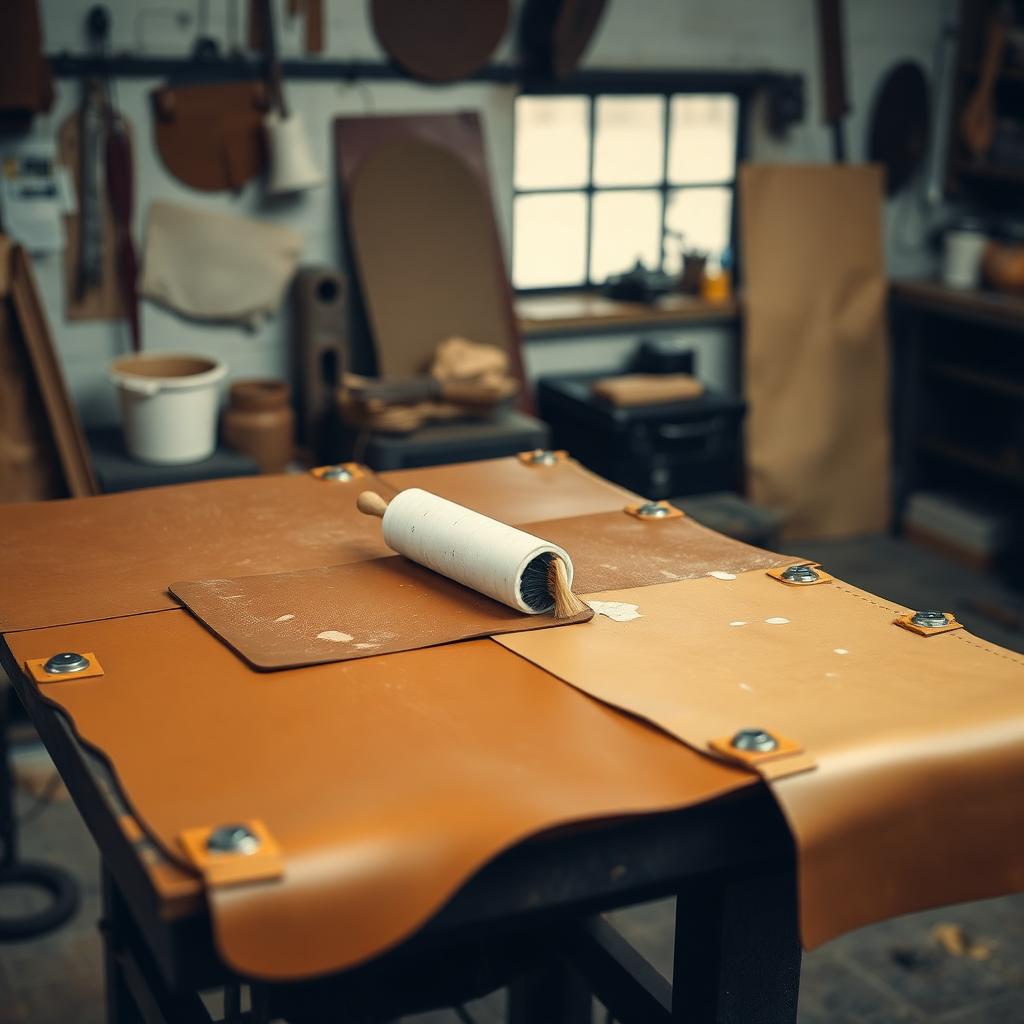
Glue in leatherwork is an assembly aid, not a structural bond — except when it is. Knowing which adhesive to reach for and how to prepare the surface saves whole projects.
4 August 2026 · 10 min read
Terms that appear across the tools and the journal, in plain language.
No. Every tool runs entirely in your browser, nothing is stored on a server, and there is no sign-up, paywall or usage limit.
Both. Thickness converts between ounces, millimetres and irons; area converts between square feet, square decimetres and square metres. Enter whatever your supplier quotes.
They give a planning figure, not a guarantee. Hide shape, grading and your own nesting skill all move the result, so the waste calculator lets you set your own allowance.
Yes. The calculators are free for hobby and professional use alike. Always confirm critical dimensions on a test piece before cutting expensive leather.